Checking the Whole Visual System
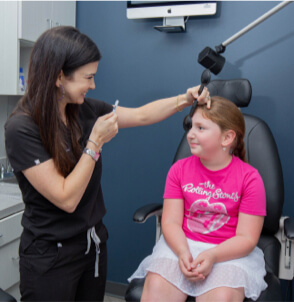
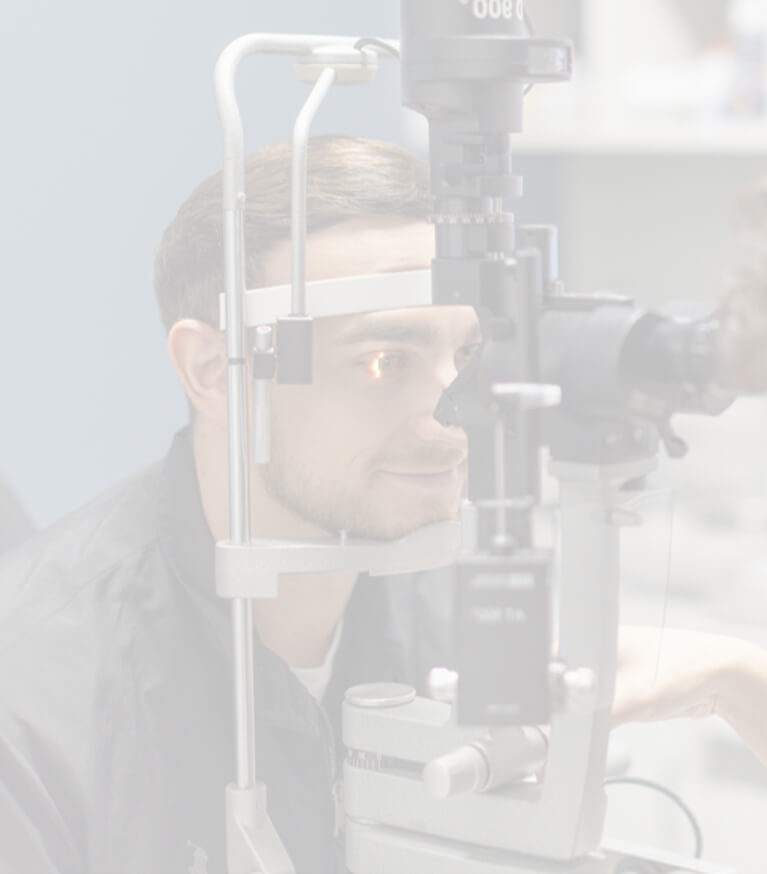
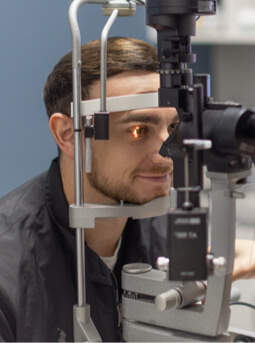
Our neuro‑visual exams are designed to better understand how the visual system communicates and functions—including the eyes, optic nerve, and brain. These exams help us determine whether visual processing or coordination may be contributing to symptoms you or your child are experiencing.
We provide neuro‑visual evaluations for individuals with concerns such as double vision, binocular vision challenges, post‑concussion symptoms, visual field loss or neglect, and other visual changes. In children, these exams often focus on supporting healthy visual development, while adults commonly seek care following an injury or neurological event that has affected their vision.
We also have experience working with both children and adults with special needs and take extra care to ensure exams are comfortable, respectful, and adapted to each individual. If you have questions or would like to discuss whether a neuro‑visual exam is appropriate, we’re always happy to talk before scheduling.
Book Online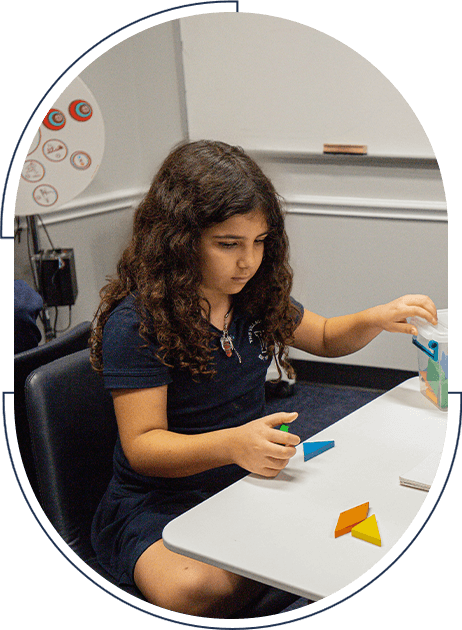
Developmental Eye Exams
During a child’s neuro-visual exam, we meet kids where they are, using age-appropriate tools, so your child doesn’t need to know how to read to be tested. If your child has special needs or sensory sensitivities, we can work within their comfort zone.
As part of their developmental exam, we’ll assess your child’s readiness for school (at younger ages). This assessment is also part of our general children’s eye exams.
If we find signs of visual problems, such as poor eye teaming, we may recommend vision therapy with our Vision Learning Center. Vision therapy is like physical therapy for the eyes. It helps your child build proper muscle movement and visual skills for life.
Treatments for Visual Disorders
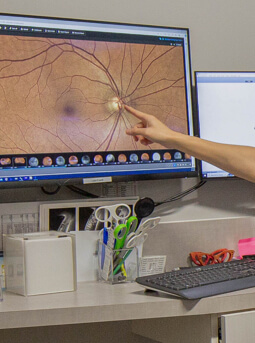
We work with children and adults to address visual disorders like double vision and binocular vision dysfunction. We examine the visual system following a referral or an issue caught during our eye exams, and check your visual field, how well your eyes are working together, and how that visual information is shared with your brain.
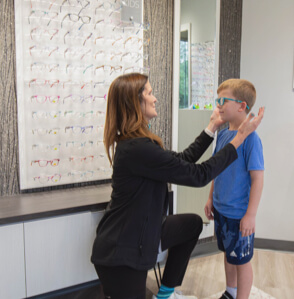
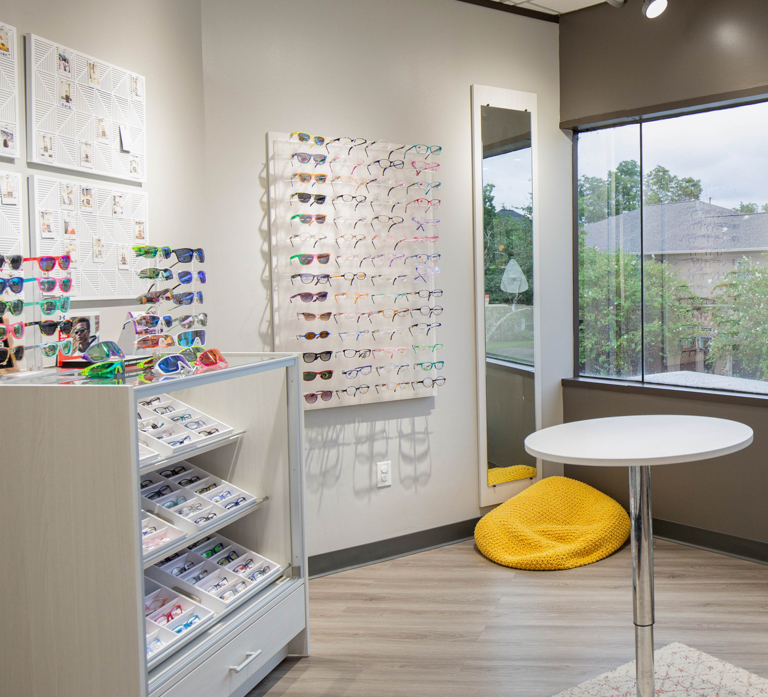
Depending on the condition you’re experiencing, we may recommend vision therapy and/or specialty eyewear options such as specialty contact lenses or glasses. For children with amblyopia (lazy eye), patching their stronger eye in addition to corrective lenses may be used.
Individuals suffering from binocular vision disorders, for example, may find some relief with prism lenses, which aid in aligning their eyes for better vision. People with migraine may find that lenses that filter out triggering light, such as blue, red, and amber lightwaves, reduce their light sensitivity and the frequency of attacks.
Each treatment and therapy plan will be tailored to the individual, depending on their age, symptoms, and the results of their assessment. Treatment can take anywhere from 6 weeks to a year or more, depending on the individual and their condition. Your vision therapy doctor will discuss your treatment plan and inform you of expected outcomes at the beginning of treatment and throughout the process.
Post-Concussion Management
Concussions and other head injuries can affect the visual system in ways that aren’t always obvious right away. While symptoms like blurry vision or light sensitivity are common immediately after an injury, some people continue to experience visual discomfort or challenges even after the initial healing period has passed.
If you or your child has experienced a concussion, sports‑related injury, or whiplash and notices symptoms such as double vision, visual strain, or changes in academic, work, or athletic performance, a neuro‑visual exam can help identify whether vision is playing a role.
Our goal is to help your visual system work more comfortably and efficiently again. Depending on your needs, we may recommend neuro-rehabilitative therapy and/or specialty eyewear to reduce symptoms and support recovery. Every injury and every person is different, so we take a personalized approach—meeting you where you are and adjusting care at a pace that feels right for you.
We’re here to help you regain confidence, independence, and quality of life as you heal.
How to Prepare for a Neuro-Visual Exam
To prepare for your neuro-visual exam, you will need to complete a questionnaire sent by our office. This will help us gather pertinent information about your symptoms and experience. We will also need a list of any current medications you are taking.
For individuals looking for neuro-vision therapy after an injury, we ask that you share a detailed history of your injury, including as much information about the injury and initial diagnosis as you can provide, and details about your healing process.
During your questionnaire and appointment, be sure to mention any particular symptoms such as:
- Reading challenges
- Sensory Integration Disorders
- Autistic Spectrum Disorders
- Head injuries, including traumatic brain injury, concussion, or acquired brain injury
- Strokes
- ADHD/ADD
- Visual Motor Disorders
- Visual Tracking Disorders
- Headaches
- Dizziness
- Poor hand-eye coordination
The more information that we can receive prior to and during your initial neuro-visual exam, the more thorough our evaluation and assessment can be. Getting a comprehensive understanding of your symptoms and vision experience is of the utmost importance for developing an effective treatment plan.
If you are unsure if vision therapy is right for you or your child, you can take our online assessment or call our office during business hours. We’re happy to guide you through the process and answer any questions you may have.
Book Online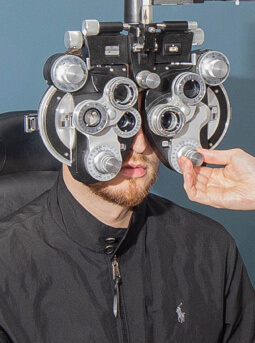
Visit Our Location
Where to Park
We’re located at 5001 Bissonnet Street, between South Rice and North 3rd Avenues.
Free parking is available in the lot below the building.
Our Address
- 5001 Bissonnet St #107
- Bellaire, TX 77401
Contact Information
- Phone: 713-664-8087
- Email: appointments@bfeye.com
Hours of Operation


What Our Patients Are Saying
Lorem ipsum Lorem ipsum Lorem ipsum Lorem ipsum Lorem ipsum Lorem ipsum Lorem ipsum Lorem ipsum Lorem ipsum Lorem ipsum Lorem ipsum Lorem ipsum Lorem ipsum Lorem ipsum Lorem ipsum Lorem ipsum

John Doe
Lorem ipsum Lorem ipsum Lorem ipsum Lorem ipsum Lorem ipsum Lorem ipsum Lorem ipsum Lorem ipsum Lorem ipsum Lorem ipsum Lorem ipsum Lorem ipsum Lorem ipsum Lorem ipsum Lorem ipsum Lorem ipsum
John Doe