Don’t Push Through Dry Eye Symptoms
If your eyes often feel gritty, scratchy, dry, or irritated, you may be experiencing dry eye syndrome. Dry eye is a common, multi‑factor condition that affects the quality and stability of your tear film, leading to ongoing discomfort and fluctuating vision.
Dry eye can involve more than surface irritation. When the tear film isn’t working as it should, the eyes may become inflamed and more sensitive over time, and the surface of the eye can become stressed. Because symptoms can develop gradually, many people don’t realize dry eye is the source of their discomfort.
Dry eye is extremely common and affects thousands of Houston residents each year—but effective help is available. If you suspect dry eye may be contributing to your symptoms, we invite you to schedule a dry eye consultation so we can evaluate your eyes and recommend personalized treatment options.
Book Online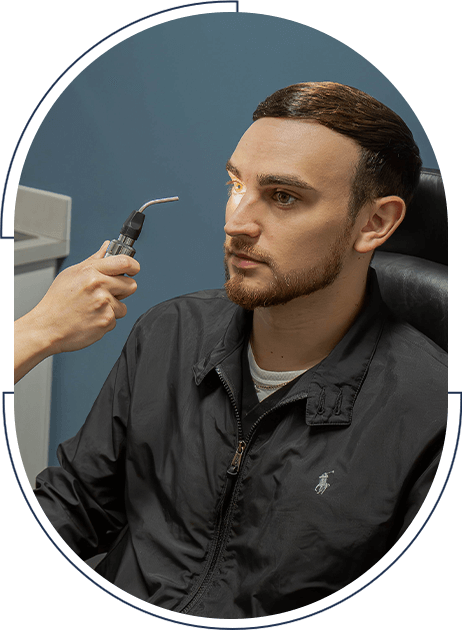
Symptoms of Dry Eye
Dry eye symptoms can vary from person to person depending on the underlying cause, but many people experience one or more of the following. Symptoms typically affect both eyes and may come and go or gradually become more noticeable over time.
- Stinging or burning sensation
- Gritty or scratchy feelings
- Red eyes
- Excessive tearing/watery eyes
- Feeling like something is in your eye
- Blurry vision
- Light sensitivity
- Stringy mucus in or around your eyes
- Discomfort wearing contact lenses
If any of these symptoms sound familiar, you’re not alone—and help is available. Scheduling an eye exam allows us to identify the cause of your discomfort and create a personalized plan to help your eyes feel more comfortable and healthy again.
What Causes Dry Eye?
Dry eye syndrome is caused by chronic irritation to the ocular surface, or the surface of your eyes. There are a number of possible causes, as well as environmental factors that can contribute to your discomfort.
In general, dry eye occurs when there is an imbalance in your tear film. In some cases, people don’t produce enough tears to keep their eyes moist. However, in the majority of cases, the tear film is lacking a sufficient oil layer to prevent tears from evaporating too quickly. This causes dry eye symptoms.
Causes Include:
- Eyelid disease, such as blepharitis
- Systemic diseases, such as lupus, diabetes, rheumatoid arthritis, Sjögren’s Syndrome, and thyroid disease
- Aging and hormonal changes, including menopause
- Certain medications (both prescription and over-the-counter), including chemotherapy and radiation treatments
- Eye surgeries, including LASIK
- Dehydration, or poor diet and water intake
Environmental and Other Factors:
- Air conditioning/heating systems and ceiling fans
- Cigarette smoke
- Dry/low-humidity environments, including airline travel
- Improper contact lens use, fit, and contact lens solutions
- Computer/digital device use
Environmental and other contributing factors can exacerbate existing dry eye symptoms, but don’t typically cause dry eye themselves.
How We Diagnose Dry Eye
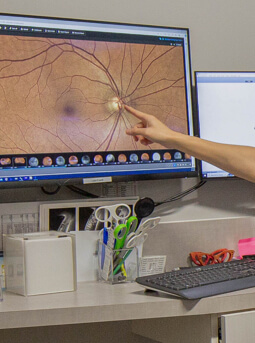
We complete a comprehensive eye exam to screen for the presence, severity, and root cause of your dry eye symptoms. This includes diagnostic imaging and testing and a patient symptom questionnaire.
The most common cause of dry eye is chronic meibomian gland dysfunction (MGD), which accounts for more than 85% of dry eye cases. The meibomian glands are tiny, oil-producing glands that line the eyelids. They are responsible for the oil layer of your tear film that protects tears from rapid evaporation.
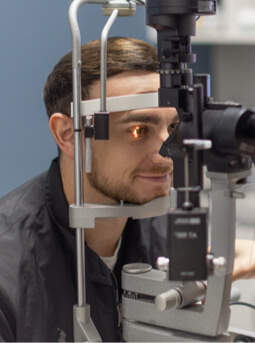
We use LipiScan, a high-definition imaging technology that allows us to view the health of your meibomian glands accurately, quickly, and painlessly. Additionally, we will check your tear volume to determine if your eyes are producing a normal volume of tears and your tear stability, a marker for how long your tear film completely covers your eye after a blink.
Our Specialty Dry Eye Treatments
Your dry eye treatment plan will be determined based on your thorough assessment, completed by our dry eye specialist, Dr. Aamena Kazmi. Your treatment plan may include energy-based treatments, such as IPL, RF, or LLLT therapies; other in-office treatments, including BlephEx, LipiFlow, and more; along with lubricating drops, gels, or ointments; daily eyelid hygiene; blink exercises; and environmental adjustments. We may also recommend trying scleral contact lenses, which can provide greater comfort and relief to those with dry eye.
We are thrilled to offer InMode IPL therapy for the management of dry eye disease due to meibomian gland dysfunction (MGD) and ocular rosacea.
IPL originates from dermatology, primarily for patients with rosacea and sun/age spots. Ocular rosacea is a form of rosacea that primarily affects the eyelids and ocular surface, which can lead to dry eye disease (specifically MGD). Ocular rosacea is characterized by the growth of vessels along the eyelid margin with corresponding symptoms of tired, red, burning, itchy, and stinging eyes.
IPL therapy targets abnormal blood vessels and bacteria on the eyelids, helping to reduce inflammation and restore healthy oil production. IPL is safe and well-tolerated, with no downtime from normal activities required.
We proudly offer InMode Forma I radiofrequency at Bellaire Family Eye Care. This is a gentle, non-invasive treatment for meibomian gland dysfunction (MGD) and evaporative dry eye disease (EDE), which together account for most dry eye cases.
RF is a thermal therapy that uses controlled radio waves to liquefy the thickened meibum, unclog gland obstructions, and restore normal oil secretion. This process stabilizes the tear film and reduces tear evaporation, addressing the root cause of dry eye disease.
RF therapy is safe, painless, and often described as relaxing. Beyond its direct impact on gland function, bipolar RF also stimulates collagen production and improves eyelid skin elasticity, which can enhance smooth skin, blink mechanics, and further support tear distribution.
LipiFlow is an FDA-approved in-office procedure that treats dry eye caused by meibomian gland dysfunction. It uses a combination of heat and gentle pressure to clear blockages in the meibomian glands.
The treatment involves placing dome-shaped devices under the closed eyes, which safely warm the inner eyelids and massage the glands to restore oil flow. The entire procedure takes about 12 minutes and treats both eyes simultaneously.
LipiFlow is safe, comfortable, and more effective than warm compresses at home, offering a deeper and more targeted approach to treating evaporative dry eye.
BlephEx is a medical procedure used to manage blepharitis and meibomian gland dysfunction. It involves the in-office removal of bacterial biofilm, debris, and excess oils from the eyelid margins and lash line using a precision handheld device with a disposable micro-sponge.
The treatment is safe, well-tolerated, and helps reduce inflammation, improve tear film quality, and support long-term eyelid hygiene.
Low-level light therapy (LLLT) is an advanced, non-invasive treatment that uses medical-grade red and near-infrared light to stimulate cellular activity and reduce inflammation in the eyelids.
At our clinic, we use professional-grade equipment from MD Elite, which delivers precise wavelengths of light directly to the meibomian glands and surrounding tissue. This targeted therapy helps restore gland function, improve tear quality, and relieve symptoms of dry eye caused by meibomian gland dysfunction (MGD).
MD Elite’s technology ensures consistent energy delivery and deeper tissue penetration for optimal therapeutic results. The treatment is painless, requires no downtime, and is often used in combination with other therapies for enhanced outcomes.
Beyond our energy-based treatments, we also offer a variety of in-office treatments to assist with dry eye symptoms.
- Punctal plugs: Tiny devices, about the size of a grain of rice, that are inserted into your tear duct to prevent tears from draining too quickly.
- Prokera/Amniotic membrane: A corneal bandage with anti-inflammatory effects designed to help speed up your eyes’ healing abilities for severe dry eye.
- Meibomian gland expression: Gently, manual expression of your meibomian glands by an optometrist to clear blockages. It can also be used after an energy-based treatment.
Take-home treatments may be recommended for patients with mild symptoms or in addition to in-office treatments to find quick relief. Our take-home treatments include:
- Prescription eye drops: Medicated eye drops formulated to address the root cause of your symptoms, such as inflammation, rather than just lubricate the eye temporarily.
- Eyelid sprays: Sprays and cleansers to remove debris, bacteria, and demodex, which can contribute to blepharitis and dry eye.
- Eye masks: Gentle eye masks with heat and moisture to relieve your symptoms, increase blood flow, and give your eyes a break.
- Omega-3 supplements: Specifically formulated for eye health, these omega-3 supplements can support your eyes’ natural oil production.
In addition to following your treatment plan, there are some modifications you can make on your own to improve your eyes’ comfort.
- Avoid sitting near fans or below overhead vents. Both heating and cooling systems can blow dry air that can aggravate your symptoms.
- Take screen breaks. Be cognizant of the time spent online and plan breaks from your digital device to give your eyes relief. Practice the 20-20-20 rule, and look away every 20 minutes to focus on something 20 feet away.
- Remember to blink. Often during screen time, we forget to blink as frequently as we need to. Make a conscious effort to interrupt your focus and blink more while using screens.
- Wear sunglasses regularly. Wearing sunglasses when you’re outdoors can help protect your eyes from the wind and harmful UV rays.
IPL for Dry Eye
We use the Lumecca IPL device by InMode for our dry eye treatments. IPL, or intense pulsed light therapy, helps interrupt the cycle of inflammation and irritation caused by MGD, blepharitis, and ocular rosacea.
IPL uses light energy to target inflammation and improve blood circulation around the eyes. This helps to restore the overall function of your meibomian glands. IPL can also help treat recurring styes and stubborn chalazia (oil blockages) on your eyelids.
During your treatment session, we’ll provide your eyes with special shields that sit lightly on the surface of your eye. Then, we’ll apply light energy to the skin around your eyes, where you have inflammation or chalazia.
IPL treatments take a few weeks to reach their full effect. We will work with you to determine how many treatments you need and how frequently you’ll come in for them.
Find Relief from Dry Eye Today
The first step to finding relief for dry eye syndrome is booking an appointment with our doctors for an evaluation. Dry eye is a chronic condition, and typically progresses, possibly causing damage to the surface of your eye over time.
If you’re experiencing uncomfortable, irritated eyes, book a comprehensive eye exam or dry eye consultation with us. We’ll help you get to the root of the problem and find relief.
Book Online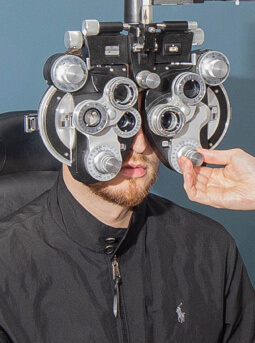
Visit Our Location
Where to Park
We’re located at 5001 Bissonnet Street, between South Rice and North 3rd Avenues.
Free parking is available in the lot below the building.
Our Address
- 5001 Bissonnet St #107
- Bellaire, TX 77401
Contact Information
- Phone: 713-664-8087
- Email: appointments@bfeye.com
Hours of Operation


What Our Patients Are Saying
Lorem ipsum Lorem ipsum Lorem ipsum Lorem ipsum Lorem ipsum Lorem ipsum Lorem ipsum Lorem ipsum Lorem ipsum Lorem ipsum Lorem ipsum Lorem ipsum Lorem ipsum Lorem ipsum Lorem ipsum Lorem ipsum

John Doe
Lorem ipsum Lorem ipsum Lorem ipsum Lorem ipsum Lorem ipsum Lorem ipsum Lorem ipsum Lorem ipsum Lorem ipsum Lorem ipsum Lorem ipsum Lorem ipsum Lorem ipsum Lorem ipsum Lorem ipsum Lorem ipsum
John Doe